
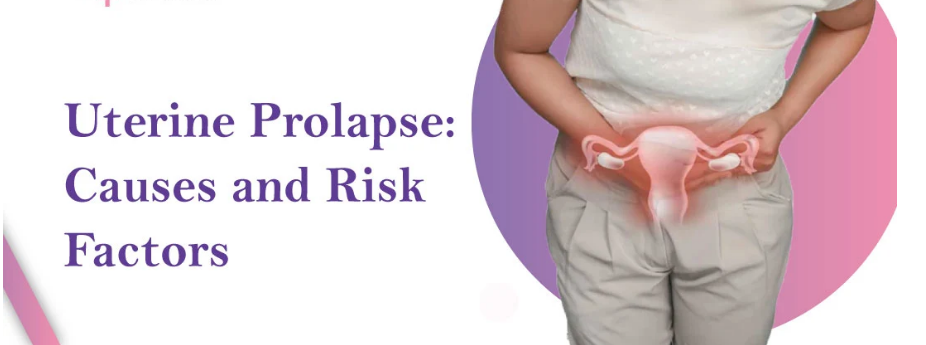
Utero-vaginal prolapse is a condition that affects many women, especially as they age or after childbirth. It occurs when the uterus descends into or outside the vaginal canal due to weakening of the pelvic floor muscles and supporting ligaments. Understanding utero-vaginal prolapse, its causes, and symptoms is essential for early detection and effective management. In this article, we will explore everything you need to know about this condition.
What is Utero-Vaginal Prolapse?
Utero-vaginal prolapse happens when the structures that support the uterus and vaginal walls weaken, causing the uterus to drop into the vaginal space. The severity of the prolapse can vary, ranging from mild cases where the uterus slightly descends into the vagina to severe cases where the uterus protrudes outside the vaginal opening.
The condition is often associated with discomfort, urinary or bowel issues, and changes in sexual function, but many women may not recognize the early signs until the prolapse progresses.
Causes of Utero-Vaginal Prolapse
Several factors contribute to utero-vaginal prolapse, including:
- Childbirth and Pregnancy
Vaginal delivery, especially multiple deliveries or delivery of large babies, can stretch and weaken the pelvic floor muscles, increasing the risk of prolapse. - Aging and Menopause
As women age, the tissues and muscles in the pelvic area naturally lose strength and elasticity. The decline in estrogen levels after menopause also contributes to weakening of the vaginal walls and supporting ligaments. - Obesity
Excess body weight increases pressure on the pelvic floor muscles, accelerating the weakening process and increasing the likelihood of prolapse. - Chronic Coughing or Constipation
Persistent strain from coughing due to conditions like chronic bronchitis or straining during bowel movements puts additional pressure on the pelvic floor. - Genetic Predisposition
Some women may have a genetic tendency toward weaker connective tissues, making them more susceptible to prolapse. - Previous Pelvic Surgery
Surgeries like hysterectomy or other procedures affecting the pelvic organs may compromise support structures and lead to prolapse.
Symptoms of Utero-Vaginal Prolapse
Symptoms of utero-vaginal prolapse can range from mild discomfort to severe complications. Common signs include:
- Feeling of Heaviness or Pressure in the Pelvic Area
Many women describe a sensation of something “falling out” of the vagina. - Visible Protrusion of Tissue
In severe cases, the uterus may partially protrude outside the vaginal opening. - Urinary Problems
This includes frequent urination, urgency, difficulty emptying the bladder, or urinary incontinence. - Bowel Issues
Difficulty with bowel movements or a sensation of incomplete evacuation can occur due to pressure on the rectum. - Lower Back Pain
Pain or discomfort in the lower back or pelvic region is a common complaint. - Discomfort During Sexual Intercourse
Pain or a feeling of looseness during sex may occur. - Vaginal Bleeding or Discharge
Some women may notice unusual discharge or mild bleeding, especially if the vaginal walls are irritated.
Early detection of these symptoms can prevent further complications and improve treatment outcomes.
Stages of Utero-Vaginal Prolapse
Utero-vaginal prolapse is generally classified into four stages:
- Stage 1 (Mild): The uterus descends slightly into the vagina but does not reach the vaginal opening.
- Stage 2 (Moderate): The uterus descends close to the vaginal opening.
- Stage 3 (Severe): The uterus protrudes partially outside the vaginal opening.
- Stage 4 (Complete): The uterus is completely outside the vagina.
Knowing the stage of prolapse helps healthcare providers determine the most appropriate treatment plan.
When to See a Doctor
It is important to consult a gynecologist if you notice any signs of utero-vaginal prolapse. Early intervention can help prevent progression and reduce symptoms. A doctor may perform a pelvic exam, imaging studies, or other tests to assess the severity of the prolapse.
Conclusion
Utero-vaginal prolapse is a common but often underdiagnosed condition that affects women of all ages, particularly after childbirth and menopause. Understanding the causes and recognizing the symptoms early can lead to better management and treatment outcomes. With timely medical care, lifestyle modifications, and targeted therapies, women can reduce discomfort, maintain pelvic health, and improve their quality of life.
